
The role of Digital Health in obesity management
by Patricia Domínguez, May 20, 2026
Obesity has become one of the growing public health challenges worldwide. According to the World Health Organization (WHO), more than 1 billion people are living with obesity globally, including adults, adolescents, and children. In Spain, recent data indicate that between 17% and 23.8% of the adult population is affected by obesity, a figure that increases when overweight and other associated conditions are taken into account. In addition, obesity is directly linked to the development of other chronic diseases, significantly increasing the burden on healthcare systems.
All of this has driven the search for new therapeutic strategies and more effective, sustainable models of care in the long term.
On the one hand, obesity treatment has experienced significant advances in recent years, leading to the emergence of new therapeutic options. Among them, next-generation pharmacological treatments such as GLP-1 receptor agonists have shown effectiveness in weight loss and in improving associated comorbidities. At the same time, multidisciplinary approaches have been strengthened by integrating professionals from different fields — including endocrinology, nutrition, and psychology — with the aim of addressing obesity as a complex and multifactorial disease.
However, these new approaches also bring new needs, such as continuous follow-up, improved treatment adherence, and personalized interventions. In this context, Digital Health is emerging as a key element to complement and enhance the current management of obesity by enabling:
-
- Real-World Data collection: the integration of patient-reported outcomes (PROs) provides a more comprehensive view of disease progression and enables dynamic adjustment of interventions.
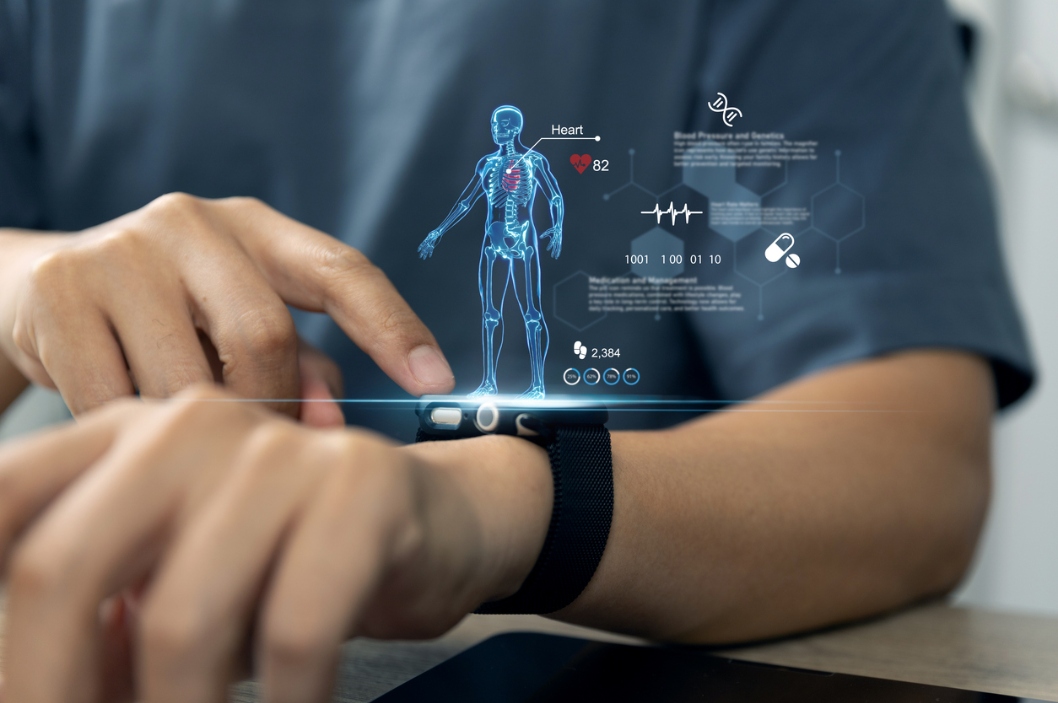
- Continuous monitoring through passive data collection: mobile applications and wearables make it possible to track variables such as weight, physical activity, and clinical parameters, providing additional insights beyond patient-reported data and offering a more holistic picture of the individual outside the hospital setting.
- Improved treatment adherence: digital tools can incorporate reminders, educational content, and motivational strategies that support continuity and engagement throughout treatment.
- Implementation of Digital Therapeutics (DTx): evidence-based DTx can directly address key behaviors such as nutrition, physical activity, and lifestyle habits, acting as a complement to pharmacological or clinical treatments.
Together, these capabilities support the transition toward more proactive, preventive, and patient-centered models of care, enabling interventions to be tailored and adapted to the specific needs of each patient and ultimately improving health outcomes.
As we have seen, obesity requires a comprehensive and individualized approach, and Digital Health is emerging as a key tool to improve disease management and complement current treatments by enabling closer follow-up, greater personalization, and better adherence to therapies and specialist recommendations.
The combination of therapeutic innovation and digital solutions opens the door to a more efficient, outcomes-driven model of care with the potential to improve patients’ quality of life and reduce the impact of obesity on healthcare systems.
Share



Patricia Domínguez
Business Development & Communication
Persei vivarium